
Designing Communities: Why Our Projects Improve Mental Well-being
October 18, 2025
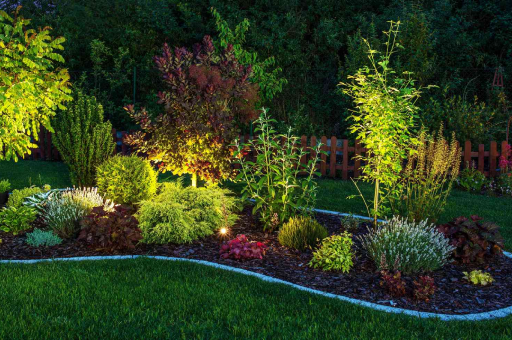
Impala Developers believes in the concept that communities, homes, and community areas can deliver more than a roof over someone’s head; green spaces in housing developments can enhance brains, alleviate stress, promote interaction, and increase the quality of life. Here’s how meticulous planning in our developments boosts mental wellness.
1. Incorporating Green & Nature Spaces
There is something intensely primal in nature, tree canopy, open space, and water elements, that calms the mind. We are in favor of neighborhoods with green buffers, landscaped parks, walking trails, and pocket parks. These green spaces in housing developments:
- Reduce stress and tension by offering qa uiet sanctuary from city noise
- Improve air quality and enable healthier living
- Encourage outdoor activity by walking, running, yoga, and all mood- and mental health-enhancing activities
2. Emphasizing Light, Air & Natural Ventilation
Light and air are two of the most overlooked contributors to health. They are essential for:
- Spaces are planned to admit the greatest possible amount of daylight, reducing the need for electric lighting and helping to regulate circadian rhythms
- Openings and windows are carefully positioned to maximize cross-ventilation, admitting clean air, cooling space, and avoiding stagnant atmospheres
- Balcony and terrace area is included so that one can step out without having to venture outside, take in views, sun, or serene nights
3. Building Community & Social Spaces
Humans are social creatures, and believing others belong within our communities can do wonders for our mental health. Such developments include:
- Shared spaces like clubhouses, community centers, and multipurpose rooms
- Playgrounds, sporting facilities, and recreation centers where families and individuals can meet, exercise, or socialize
- Walkways, benches, garden gazebos — a place to sit, socialize, or just watch the world pass by
- These spaces mitigate loneliness, foster friendship, and establish a sense of belonging.
4. Wise Choice of Materials & Aesthetics
- Looks and feel do count. Finish, texture, color, and relationships all affect the way we feel.
- Choosing calming natural colors, greens, beiges, earth tones, rather than jarring contrasting ones
- Choosing material that’s warm and tactile rather than cold and clinical
- Sizing scale human‑sized: ceiling heights, room space, not constricting pathways
5. Noise Control & Privacy
Quiet and calm green spaces in housing developments are powerful medicines. Without them, even beautiful rooms are stressful.
- Buffer zones (green belts, landscaping) to dampen highway or traffic noise
- Building placement and orientation reduce direct exposure to highways or the noise environment
- Private balconies, quiet spaces, and soundproof walls offer private space for residents when they need withdrawal and contemplation
6. Accessibility & Universal Design
Trapping or exclusion is not healthy for mental well-being. Accessibility makes sure everyone feels included regardless of age or ability.
- Wide corridors, ramps, lifts, as appropriate for unit changing
- Easy-to-walk-around paths, childproof for children, older people, or mobility aid users
- Easy access to shared facilities, so no one is isolated by location
Real‑World Outcomes: What This Means for Residents
When all these elements are brought together in a development, the benefits are far greater than for aesthetics:
- Less stress and better sleep when homes are quiet, light, and still
- A more active way of life (walking, sport) enhances mood and energy
- Stronger relations with others — neighbors know and look out for each other
- Higher satisfaction, less cabin fever, and more pride and ownership
FAQs
Q: Do these design inputs raise costs?
A: Yes, there are some features that cost additional money (upgraded glazing, landscaping space, soundproofing), but we believe they are an investment in long-term worth, healthier, happier people, higher resale value, and lower maintenance or retrofitting costs in the future.
Q: Can building occupants tailor their environment for improved well-being (more daylight, indoor gardens, etc.)?
A: Wherever plot/unit planning allows, we offer customization options or design variations to accommodate preferences such as greater windows, balconies, or interior green zones.
Conclusion
We’re not content at Impala Developers to simply construct houses. We wish to create places that uplift, unite, and promote mental health. By paying regard to open space, natural light and ventilation, social connection, tranquillity, quietness, and thoughtful design, we think that houses can be a true sanctuary.
If you’re considering your next neighborhood or home, look for green spaces in housing developments. And if you’d prefer, we can give you a tour of our portfolio, showing how these head‑well‑being amenities find expression in brick, mortar, landscape, and soul.
Click to share
Recent
December 26, 2025

September 17, 2025